
Leading Products For Masonry Service Professionals
Explore essential tools and supplies that enhance efficiency and quality in masonry projects for expert craftsmen.
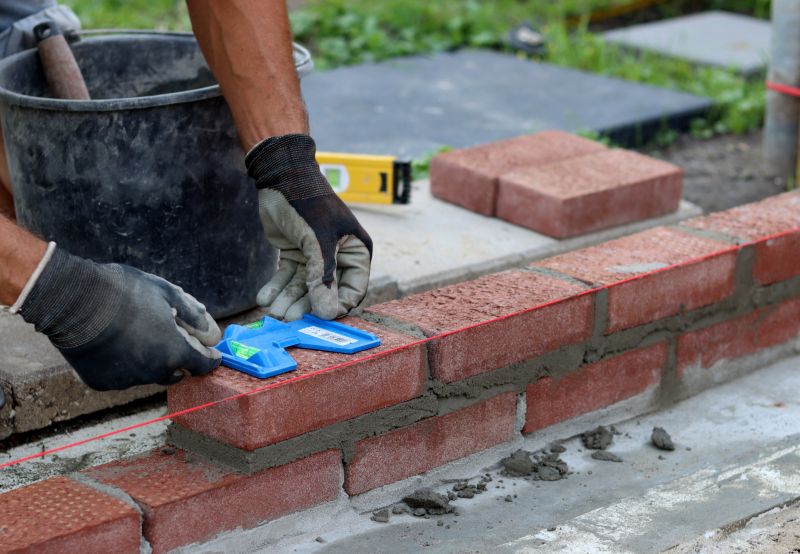 Masonry services in Salem, OR, require a diverse range of products to ensure quality craftsmanship and durable results. From foundational work to decorative finishes, the right tools and materials are essential for professional masonry projects. Whether constructing new brick walls, repairing stone facades, or sealing masonry surfaces, selecting appropriate products can significantly impact the efficiency and longevity of the work. Masonry products come in various forms, including hand tools, power tools, sealants, adhesives, and protective coatings, each serving a specific purpose within the masonry process.
Top Overall Option
Multi-purpose Masonry Trowel Set
A comprehensive masonry trowel set offers a variety of shapes and sizes to handle different tasks such as spreading mortar, applying stucco, or repairing brickwork. Made from durable materials, these trowels provide precision and control, making them suitable for both professional contractors and DIY enthusiasts. The ergonomic handles ensure comfort during extended use, and the versatile blades accommodate various masonry applications, supporting efficient and accurate work.
Types of Products For Masonry Service
Mortar Mixes
Pre-mixed or custom-blended mortar options designed for setting bricks, stones, and blocks, ensuring proper adhesion and structural integrity.
Trowels and Masonry Tools
Various hand tools including pointing trowels, margin trowels, and float tools for applying and shaping mortar and concrete.
Power Drills and Rotary Hammers
Electric tools for drilling, chipping, and cutting through tough masonry materials with precision and ease.
Cutting and Grinding Tools
Angle grinders, masonry blades, and cutting discs for shaping bricks, stones, and concrete blocks accurately.
Sealants and Water Repellents
Protective coatings to seal masonry surfaces against moisture, staining, and weather damage.
Masonry Adhesives
Specialized glues for bonding bricks, stones, and tiles in repair or decorative projects.
Brushes and Applicators
Tools for applying sealants, primers, and surface finishes to masonry surfaces.
Protective Gear
Safety equipment such as gloves, goggles, and masks designed to safeguard workers during masonry tasks.
Concrete Mixers
Portable mixers for preparing large batches of concrete or mortar on-site.
Level and Measuring Tools
Laser levels, spirit levels, and measuring tapes for ensuring accurate alignment and measurements.
Scaffolding and Support Equipment
Temporary structures and supports to facilitate safe and efficient access to elevated work areas.
Cleaning and Surface Preparation Products
Detergents, brushes, and sandblasting tools for preparing surfaces before masonry work.
Waterproofing Membranes
Materials designed to prevent water ingress in basements, foundations, and exterior walls.
Expansion Joints
Components that allow for movement and prevent cracking in large masonry structures.
Repointing Tools
Specialized tools for removing old mortar and applying fresh mortar in brick and stone joints.
Popular Choices
A versatile hammer used for breaking and chipping masonry materials, suitable for various repair projects.
A portable power tool ideal for drilling into concrete and stone with minimal effort.
A small, pointed trowel perfect for finishing mortar joints and detailed work.
A flexible, weather-resistant sealant designed to protect masonry surfaces from moisture.
A durable blade suitable for cutting through concrete and stone with power tools.
A spray-on product that provides a protective barrier against water penetration.
A hand tool used for splitting bricks and shaping masonry materials during repairs.
A stiff-bristled brush for cleaning surfaces and removing debris before finishing.
A tool for cleaning out old mortar joints prior to repointing.
Paint formulated for masonry surfaces to enhance appearance and provide protection.
A battery-powered drill suitable for drilling holes and mixing mortar or grout.
A tool used to eliminate air bubbles and ensure proper compaction of poured concrete.
Metal mesh used to strengthen concrete and masonry structures.
Flexible foam material for filling expansion joints in masonry work.
Primer applied before sealing or painting to improve adhesion and durability.
A flexible bag used for precise application of mortar in joints and tight spaces.
Understanding the different types of products available can help contractors and DIY enthusiasts make informed decisions. For instance, choosing the proper mortar mix is crucial for setting bricks and stones securely, while specialized trowels facilitate precise application. Power tools like rotary hammers and angle grinders enable efficient cutting and shaping of masonry materials. Additionally, protective gear and surface sealants are vital for safety and durability, especially in outdoor environments where exposure to weather elements is common.
In Salem, OR, where the climate can influence masonry work, selecting products that withstand local conditions is important. High-quality sealants and water repellents can protect structures from moisture infiltration, preventing damage over time. Properly chosen tools and materials not only improve work quality but also contribute to safety and ease of use, making masonry projects more manageable and efficient. Investing in reliable, versatile products tailored to the specific needs of masonry service can support successful project completion and long-term performance.
Key Buying Considerations
- Compatibility with specific masonry materials such as brick, stone, or concrete.
- Durability and resistance to weathering, especially for outdoor projects.
- Ease of handling and ergonomic design for prolonged use.
- Appropriate size and capacity for project scope to avoid unnecessary purchases.
- Compatibility with existing tools and equipment on-site.
- Type of application—whether for setting, repairing, sealing, or finishing.
- Manufacturer reputation and product reviews for quality assurance.
- Availability of replacement parts or accessories.
- Ease of cleaning and maintenance of tools and products.
- Safety features and protective equipment included or recommended.
- Cost-effectiveness considering the longevity and performance of products.
- Environmental considerations, such as VOC content in sealants and paints.
- Local availability in Salem, OR, to minimize delivery delays.
- Specific project requirements, such as load-bearing capacity or aesthetic finish.
- Compatibility with climate conditions prevalent in Salem, OR.